
10 explainers
Energy Technology and Power Systems
Explanations of energy technology, grids, heat pumps, solar economics, nuclear reactors, data centers, and the politics of powering modern life.
Energy stories are rarely just about technology; they are also about cost, reliability, geography, and politics.
Use this page as a reading path: start with the core explainer, then follow the related guides to understand the key terms, practical tradeoffs, and open questions.
Questions this guide answers
- How do heat pumps work?
- Do solar panels pay for themselves?
- How is AI changing electricity demand?
Tools for these guides
- Electricity Cost Calculator — Compare appliance examples or custom usage in watts, kWh, and money. Include quantities plus daily or weekly operating time.
- Solar Payback Calculator — Compare self-use and export credits, maintenance, and upfront costs before evaluating a solar quote.
How to Calculate Electricity Cost: Watts, kWh & Bills
Work out appliance running costs from watts, hours, and your electricity rate. See a worked example and avoid common mistakes with energy bills.
Why Do Nuclear Reactors Need Water? Cooling Explained
Why do nuclear reactors need water? Learn how water transfers heat, makes steam, cools spent fuel, and shapes where nuclear plants can operate.
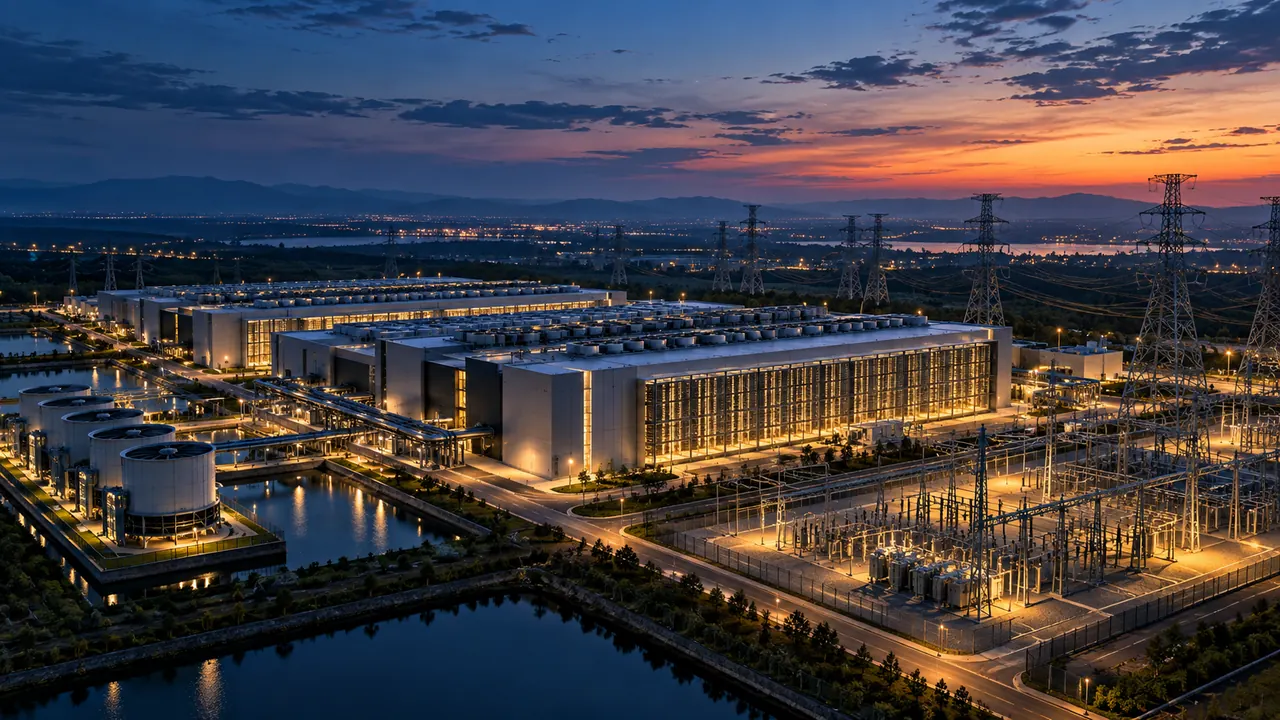
AI Data Center Energy: Electricity, Water, and the Grid
How much energy do AI data centers use? A plain-language guide to electricity demand, water use, grid constraints, chips, and land.
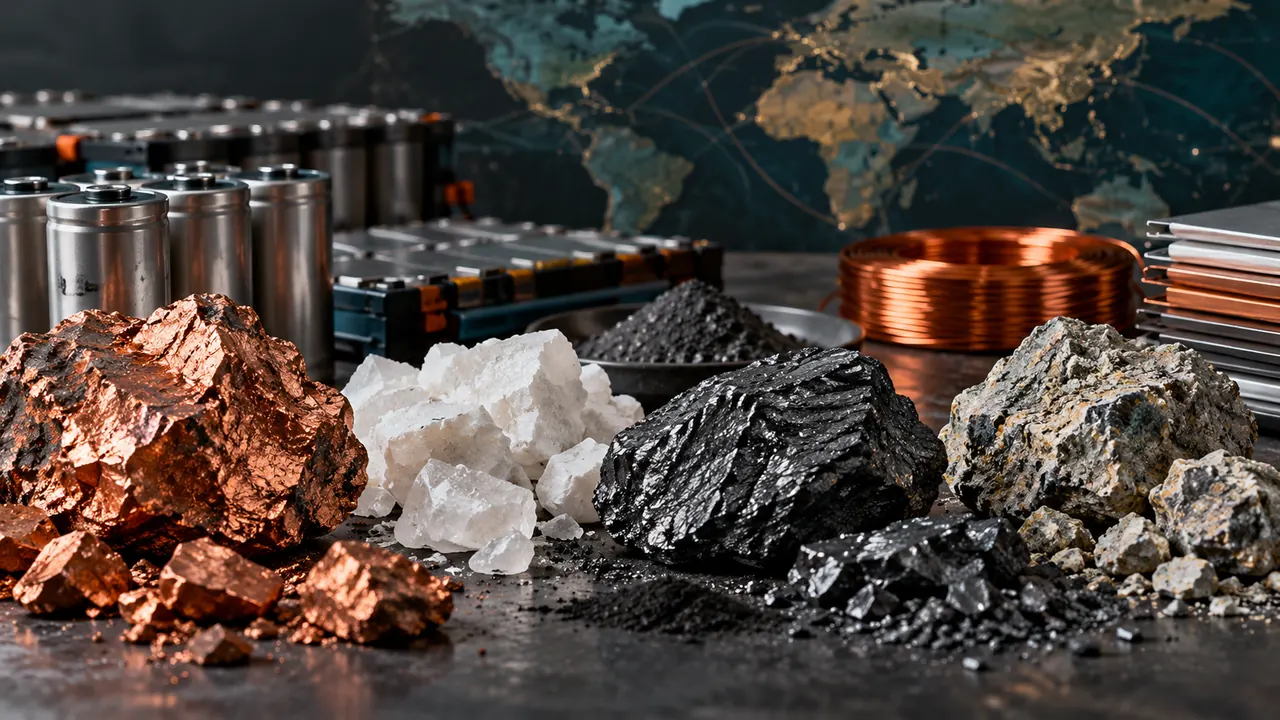
What Are Critical Minerals? Why They Matter
What are critical minerals? Learn why copper, lithium, cobalt, graphite, rare earths, gallium, and germanium matter for energy, defense, and AI.

Microplastics in Humans: What Do They Mean for Health?
What do microplastics in humans mean for health? Learn what researchers have detected, what risks remain uncertain, and what evidence can say.
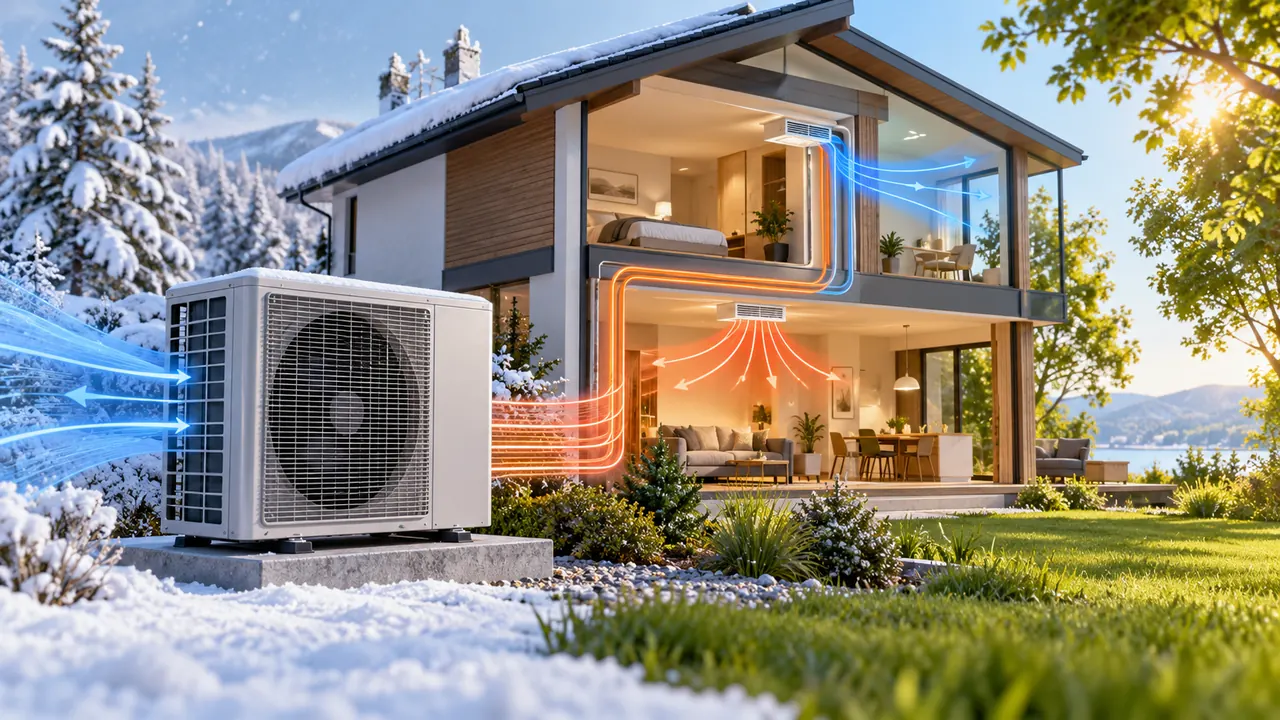
How Do Heat Pumps Work? Heating and Cooling Explained
How do heat pumps work? Learn how one system heats and cools a home by moving heat instead of creating it.
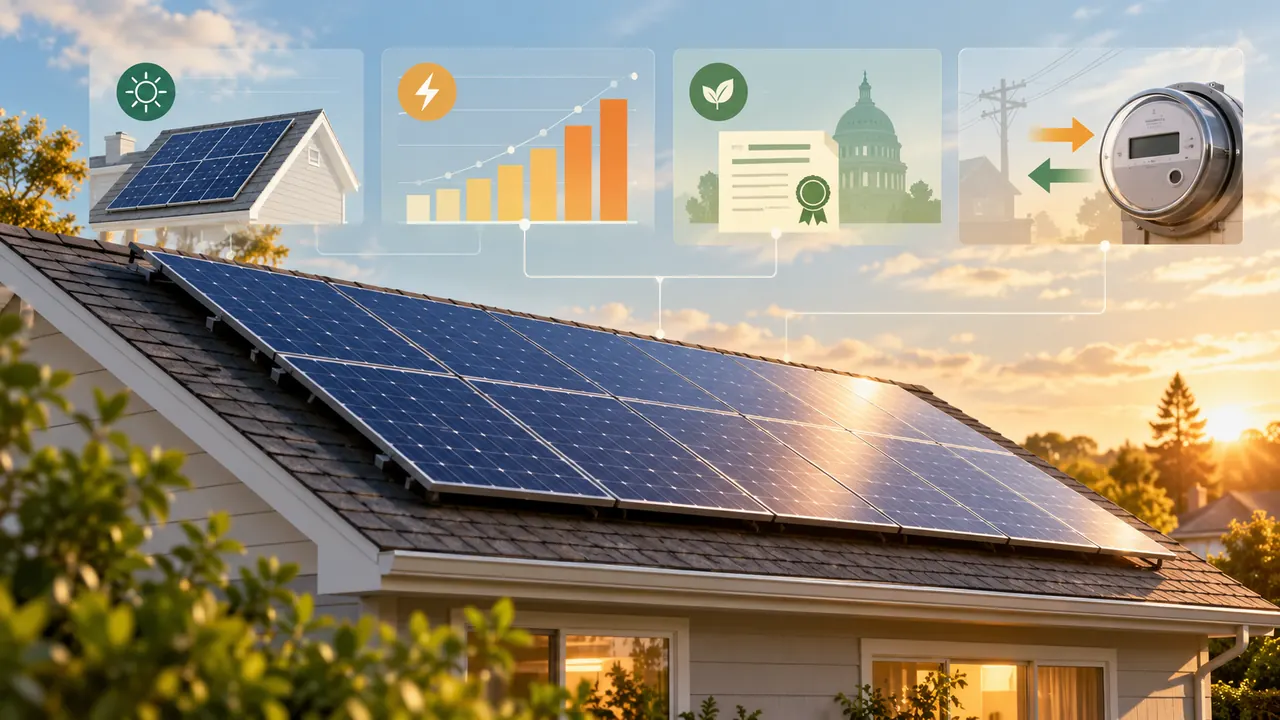
Do Solar Panels Pay for Themselves? Calculate Solar Payback
Do solar panels pay for themselves? Understand the local variables behind solar payback, including electricity rates, incentives, financing, and net metering.
How Does a Nuclear Reactor Work? Nuclear Power Explained
How does a nuclear reactor work? Learn how fission creates heat, how reactors control the reaction, and how that heat becomes electricity.
How Does GPS Work? Satellites, Timing, and Relativity
How does GPS work? Learn how satellites, precise clocks, signal timing, and relativity corrections let your phone calculate its location.
How Does the Power Grid Balance Supply and Demand?
How does the power grid stay balanced? Learn how grid operators match electricity supply and demand every second to keep frequency stable.