
Endless Cost Tools · free calculators, trackers and practical guides
Understand your costs. Compare your options.
Track subscription renewals, work out household costs, compare a solar quote, and explore what regular savings could become. Private tools with the assumptions visible.
What would you like to work out?
Free tools for household bills, subscriptions, and savings. Use your own prices; example inputs are illustrative.
Electricity Cost Calculator
Compare appliance examples or custom usage in watts, kWh, and money. Include quantities plus daily or weekly operating time.
Open calculator →Subscription Cost Calculator
Turn weekly, monthly, and annual subscriptions into one budget. Compare what you keep and cancel.
Open calculator →Solar Payback Calculator
Compare self-use and export credits, maintenance, and upfront costs before evaluating a solar quote.
Open calculator →Compound Interest Calculator
Explore how a starting balance and monthly savings could grow under your assumptions.
Open calculator →Sunk Cost Decision Tool
Compare future costs and benefits when deciding whether to continue or switch.
Open calculator →Private Subscription Tracker
Track recurring payments and renewal dates, then export your list or calendar. Saved only on this device.
Open tracker →Guides to your next decision
How to Audit Subscriptions and Calculate Annual Costs
Build a subscription list, compare monthly and annual billing, identify overlapping services, and estimate future savings before canceling.
How to Calculate Electricity Cost: Watts, kWh & Bills
Work out appliance running costs from watts, hours, and your electricity rate. See a worked example and avoid common mistakes with energy bills.
How Do Heat Pumps Work? Heating and Cooling Explained
How do heat pumps work? Learn how one system heats and cools a home by moving heat instead of creating it.
Do Solar Panels Pay for Themselves? Calculate Solar Payback
Do solar panels pay for themselves? Understand the local variables behind solar payback, including electricity rates, incentives, financing, and net metering.
How Does Compound Interest Work? Formula, Contributions, and Fees
Understand compound interest with a clear formula and examples, including monthly contributions, compounding frequency, fees, inflation, and realistic limits.
What Is the Sunk Cost Fallacy? Why It Is Hard to Quit
What is the sunk cost fallacy? Learn why past time, money, and effort distort decisions—and how to spot the trap.
Topics
Explainer library · all subjects
How to Audit Subscriptions and Calculate Annual Costs
Build a subscription list, compare monthly and annual billing, identify overlapping services, and estimate future savings before canceling.
How to Calculate Electricity Cost: Watts, kWh & Bills
Work out appliance running costs from watts, hours, and your electricity rate. See a worked example and avoid common mistakes with energy bills.
Why Are Cat Videos Everywhere? Psychology of Cute Content
Why are cat videos everywhere? Learn how emotion, low-stakes humor, social sharing, and recommendation systems keep cat content in every feed.
Why Do Nuclear Reactors Need Water? Cooling Explained
Why do nuclear reactors need water? Learn how water transfers heat, makes steam, cools spent fuel, and shapes where nuclear plants can operate.

How AI Agents Work: Useful Tasks, Limits, and Risks
What can AI agents actually do? A practical guide to the workflows they can handle, where they fail, and when humans should stay involved.

AI Data Center Energy: Electricity, Water, and the Grid
How much energy do AI data centers use? A plain-language guide to electricity demand, water use, grid constraints, chips, and land.
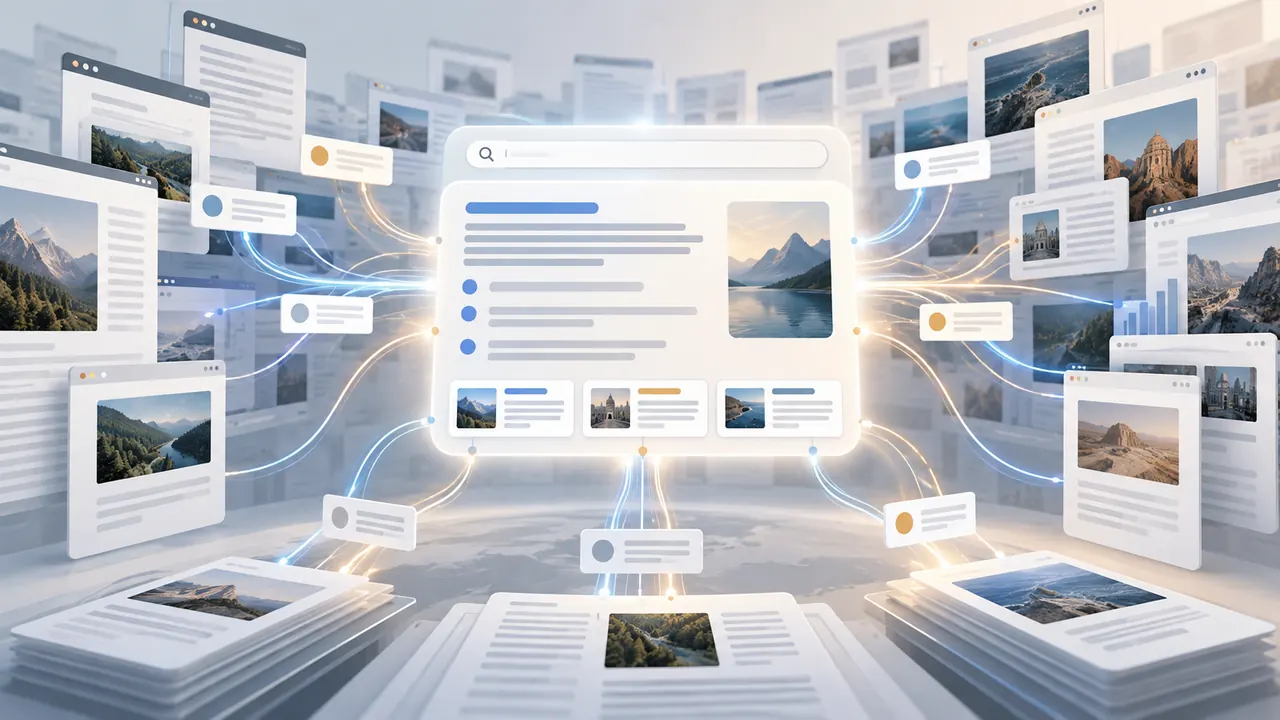
How AI Search Changes Website Traffic and SEO
How AI search affects websites, publishers, and SEO—and what makes a page useful enough to be understood, trusted, and cited.

Why AI Chips Are Geopolitical
Why are advanced AI chips strategic? Understand semiconductors, lithography, packaging, memory, export controls, and global supply chains.

What Are Critical Minerals? Why They Matter
What are critical minerals? Learn why copper, lithium, cobalt, graphite, rare earths, gallium, and germanium matter for energy, defense, and AI.

Are Passkeys Safer? How Passwordless Login Works
Are passkeys safer than passwords? Learn how passkeys work, why they resist phishing, and what to know before switching.

What Are GLP-1 Drugs? Benefits, Risks, and How They Work
What are GLP-1 drugs? A source-led explainer on how medicines such as Ozempic, Wegovy, Mounjaro, and Zepbound work, plus benefits and risks.

What Are Global Shipping Chokepoints? Why They Matter
What are global shipping chokepoints? Learn why the Suez Canal, Red Sea, Panama Canal, Hormuz, and Malacca Strait affect trade and prices.

Microplastics in Humans: What Do They Mean for Health?
What do microplastics in humans mean for health? Learn what researchers have detected, what risks remain uncertain, and what evidence can say.
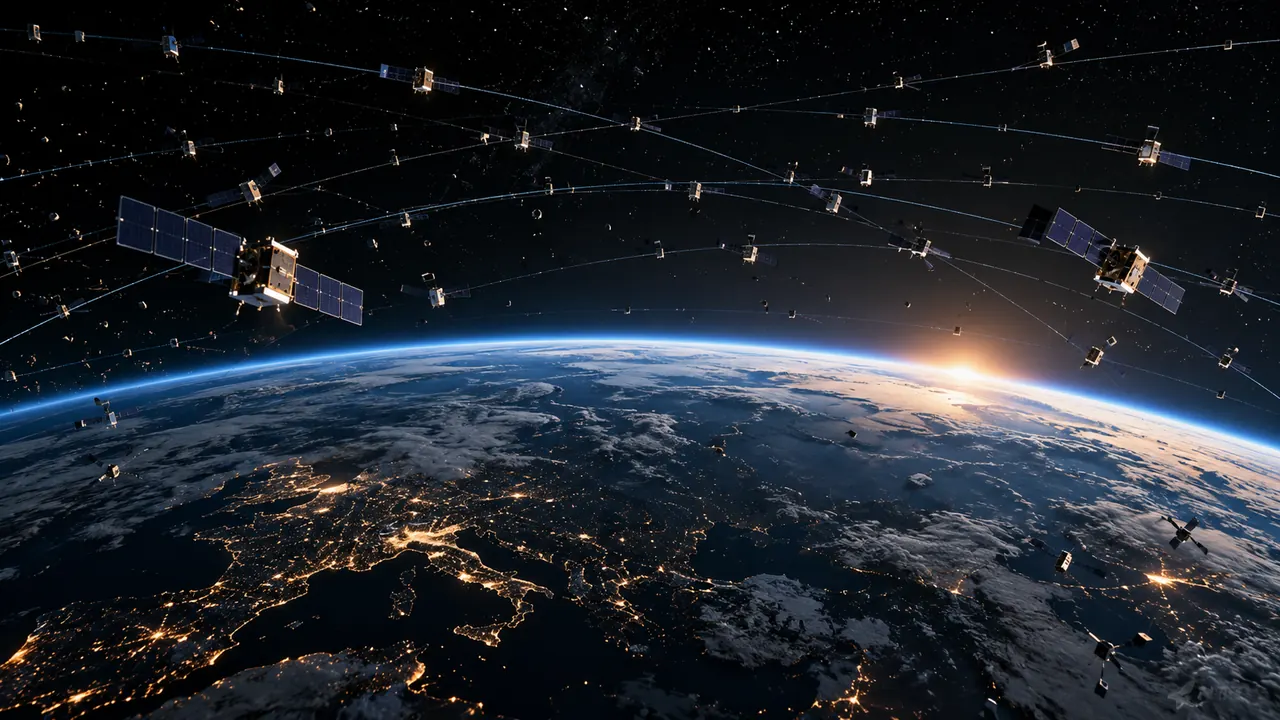
Why Is Space Important for Geopolitics? Satellites and Power
Why is space important for geopolitics? Learn how satellites support broadband, GPS, imaging, defense, finance, and strategic competition.

Why Is Defense Spending Now an Industrial Policy Issue?
Why is defense spending becoming industrial policy? Learn how production capacity, supply chains, chips, ships, drones, and munitions shape military power.

How Do Heat Pumps Work? Heating and Cooling Explained
How do heat pumps work? Learn how one system heats and cools a home by moving heat instead of creating it.
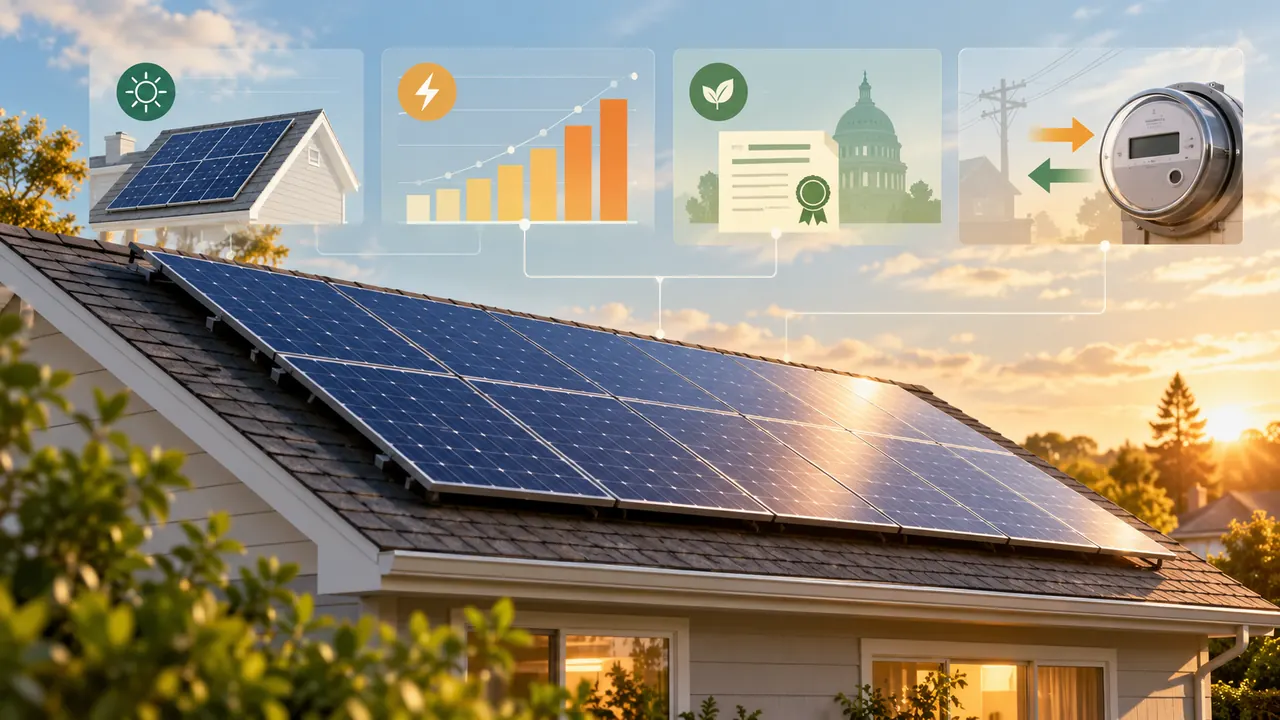
Do Solar Panels Pay for Themselves? Calculate Solar Payback
Do solar panels pay for themselves? Understand the local variables behind solar payback, including electricity rates, incentives, financing, and net metering.
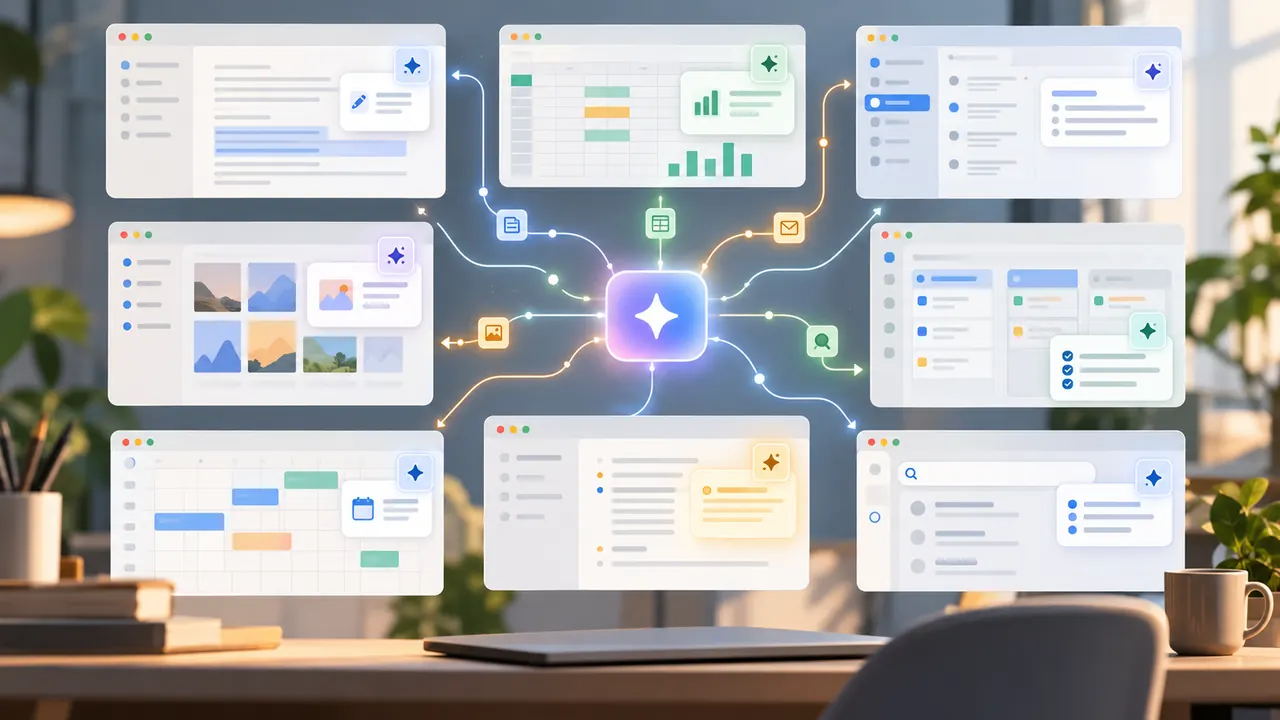
Why Does Every App Have AI? What AI Features Actually Do
Why are AI features appearing in every app? Learn which are genuinely useful, which are marketing, and what companies are trying to automate.
How Does Compound Interest Work? Formula, Contributions, and Fees
Understand compound interest with a clear formula and examples, including monthly contributions, compounding frequency, fees, inflation, and realistic limits.
Why Does Music Give You Chills? The Science of Frisson
Why does music give you chills? Learn what frisson is, how the brain responds to musical surprise, and why some people feel it more often.